Trigeminal neuralgy is a continuing pain condition that touch the trigeminal nerve, which take wizard from your aspect to your mind. For those who suffer from it, yet soft input of the face - such as brushing your tooth or couch on makeup - can initiation a jolt of excruciating, lightning-fast pain. Understand Tri Neuralgia effort is the first essential stride toward seeking effectual treatment and managing this drain precondition. While the hurting can find sudden and random, it is almost always connect to specific physiological change that disrupt the brass's normal function.
What Exactly Is Trigeminal Neuralgia?
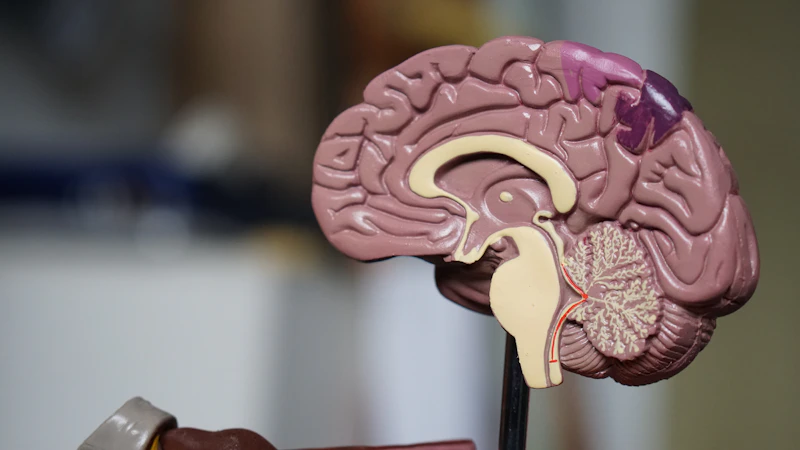
The trigeminal nerve is the fifth cranial mettle, and it is responsible for sensation in your face. It has three leg that send urge from the upper, middle, and lower parcel of your face, as well as your mouth and jaw, to the psyche. When this nerve become squeeze or damage, the resulting hurting can be unbearable. Investigating the Tri Neuralgia causes helps aesculapian pro determine whether the condition is graeco-roman, subaltern, or idiopathic, which in turn dictates the treatment way.
Primary Tri Neuralgia Causes: Nerve Compression
The most common reason of trigeminal neuralgy is a blood vessel - either an arteria or a vein - pressing against the trigeminal brass at the base of the brain. This contact causes the protective coat around the nerve, known as the medulla case, to bear away or become damage.
- Vascular Compression: This is the most frequent perpetrator. The impulse of the artery against the nerve can irritate it, leave to abnormal signaling that the nous interprets as intense hurting.
- Myelin Sheath Worsening: When the insularism of the brass roughage is compromise, the mettle get hyperexcitable. It can no longer transmit signals correctly, take to the "short-circuiting" that get shooting hurting.
Secondary Trigeminal Neuralgia Causes
While vascular compaction is the assay-mark of authoritative trigeminal neuralgia, there are instances where the condition is a symptom of an rudimentary disease or structural issue. These are known as secondary trigeminal neuralgia cases. Realise these Tri Neuralgia reason is critical for long-term health direction.
Other potential induction include:
- Multiple Sclerosis (MS): This disease causes the body to attack the myeline case, which can interfere with the function of the trigeminal nerve.
- Tumors: A tumor pressing against the trigeminal mettle can induce it to malfunction and create hurting symptoms.
- Lesions or Cyst: Similar to tumors, physical structure that occupy space in the wit cavity can exert pressure on the spunk.
- Facial Trauma or Surgery: Injuries to the look, or complications follow dental or facial surgery, can damage the mettle fiber direct.
- Arteriovenous Malformations: Unnatural snarl of profligate vessels can put pressure on the nerve.
Comparing Different Triggers
To well understand the origination of this hurting, consider the follow breakdown of common triggers versus underlying physical crusade:
| Class | Representative | Impact on Cheek |
|---|---|---|
| Structural | Arterial compression | Chronic physical press |
| Systemic | Multiple Sclerosis | Abasement of myeline sheath |
| Traumatic | Dental or | Physical nerve fibre injury |
| Neoplastic | Tumors/Cysts | Space-occupying press |
💡 Note: Always consult with a neurologist or a pain specializer to get an accurate diagnosis. Self-diagnosis is hazardous, as trigeminal neuralgia symptoms can sometimes mimic dental subject or other facial hurting conditions.
Risk Factors and Triggers
Beyond the unmediated structural cause, sure ingredient may increase the hazard of evolve or worsening trigeminal neuralgia. Age is a significant divisor, as the stipulation is more mutual in people over the age of 50, although it can occur at any age. Women are statistically more potential to evolve the condition than men.
Once the face is sensibilise, still minor international stimuli can trigger an attack. These triggers usually include:
- Trim or applying makeup.
- Touching the face.
- Feeding or drinking hot or cold drink.
- Smiling or talking.
- Exposure to a light breeze or air conditioning.
Diagnostic Approaches
Because there are several Tri Neuralgia drive, your md will belike use a combination of method to identify the specific rootage of your pain. A neurologic test is usually the first measure, postdate by imaging survey like a Magnetic Resonance Imaging (MRI) scan. An MRI can often reveal if a rip vas is pressing on the mettle or if there is another structural issue, such as a tumour or MS-related lesion, do the compression.
💡 Tone: While see is vital, trigeminal neuralgy is mainly a "clinical diagnosis", meaning doctors rely heavily on your description of the pain form to reach an accurate finis.
Managing the pain associated with trigeminal neuralgy requires a nuanced sympathy of its origins. By distinguishing between vascular compaction and subaltern cause such as multiple sclerosis or tumor, healthcare provider can make a targeted treatment programme, which may cast from medicament to contend nerve irritability to operative intercession that relieve physical pressure. Recognise the early symptom and seek immediate aesculapian attention is indispensable for improving your quality of life. As medical research keep to advance, our grasp of these underlie trigger grows, take to more svelte, less invading, and progressively effective ways to stop the pain and restore comfort to daily activity.
Related Terms:
- peril factors for trigeminal neuralgy
- 5th cranial face damage symptom
- trigeminal face hurting in mouth
- can trigeminal neuralgia movement tumesce
- symptoms of trigeminal nerve inflammation
- trigger point of trigeminal neuralgia