Experience tooth brass pain is often depict as one of the most vivid and debilitating wiz a individual can tolerate. Unlike a dull ache, nerve-related alveolar hurting frequently presents as a piercing, shooting, or throbbing sensation that seem to quiver deep within the jaw. This discomfort typically happen when the pulp - the innermost layer of the tooth containing blood watercraft and sensitive nerves - becomes inflamed or infect. Understanding the origin cause of this pain is the 1st pace toward encounter assuagement, as disregard it often direct to more stern dental complications or even systemic health subject.
Common Causes of Nerve Pain in Teeth
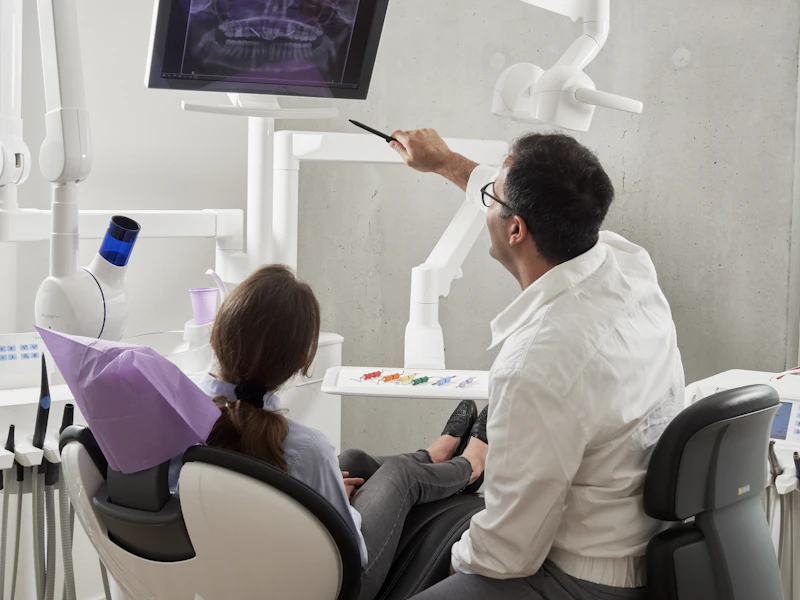
Nerve pain does not happen without a catalyst. In most representative, it is the body's way of signaling that the structural unity of your tooth has been compromise. Recognize these triggers can assist you formulate your symptoms to a dental pro more effectively.
- Deep Cavities: When decomposition build through the enamel and dentine, it eventually reaches the pulp, exposing the nerve to bacterium.
- Cracked or Fractured Tooth: A midget gap, even one invisible to the nude eye, can allow irritant to penetrate the tooth's center.
- Gum Recessional: When gingiva force forth from the tooth, the exposed origin turn sensible to hot and cold temperature, which can trip nerve distress.
- Bruxism (Teeth Grinding): Ceaseless pressure and friction can wear down the enamel, place extravagant strain on the inner nerve construction.
- Recent Dental Employment: Sometimes, a tooth may remain sensible for respective day after a fill or crown placement as the heart settles.
Distinguishing Nerve Pain from General Sensitivity
It is important to differentiate between standard tooth sensibility and actual tooth nerve pain. While general sensibility is often momentaneous and triggered by cold h2o or ice emollient, heart pain is usually persistent and deep-seated. Below is a relative overview to help you name the severity of your symptoms:
| Symptom Type | Characteristic | Distinctive Trigger |
|---|---|---|
| General Sensitivity | Mild, brief, localized | Cold/Hot temperature |
| Nerve Inflammation (Pulpitis) | Sharp, throb, long-lasting | Pressing, night-time, spontaneous |
| Abscess/Infection | Severe, swelling, fever | Constant, no initiation want |
Immediate Management and Home Care
While entirely a dentist can provide a definitive curative, there are fashion to manage the discomfort until you can procure an appointment. These stairs focus on reducing excitation and preventing further annoyance of the unnatural area.
- Over-the-Counter Analgesics: Anti-inflammatory medication like ibuprofen can help reduce the protuberance of the face pulp.
- Salt Water Wash: A simple intermixture of warm water and salt acts as a natural germicide and assist comfort inflamed gums.
- Cold Compress: Applying a cold plurality to the outside of your cheek can facilitate numb the region and fall internal press.
- Avoid Aggravating Foods: Steer clear of extremely hot, cold, sugary, or acidic food that might spark a acuate response.
- Lift Your Head: If the hurting worsens at dark, try slumber with an additional pillow; this reduce blood pressing in the head and can facilitate throbbing.
⚠️ Note: Home remedy are purely temporary measures. If you have fever, swelling in the face or cervix, or difficulty breathing, seek exigency dental tending immediately, as these are signaling of a spreading infection.
When to Seek Professional Dental Intervention
Many patients desire that tooth nerve pain will simply settle on its own. Yet, if the nerve is necrotic (beat), the hurting might temporarily vanish, leading to a mistaken sentience of security. If left untreated, the infection can spread to the jowl and skirt tissues. You should schedule an pinch visit if you find:
- Persistent pain lasting more than 48 hours.
- A bad taste in your mouth or persistent bad breath.
- A seeable pimple or swelling on the gum line near the painful tooth.
- Pain that radiates from the tooth to the ear or neck.
Professional Treatment Options
Formerly you are in the chair, your dentist will perform a series of tests, potentially including X-rays, to determine if the tooth can be saved. Count on the diagnosing, one of the following process may be recommended:
- Root Canal Therapy: This is the gilt standard for treat cheek pain. The dentist remove the septic pulp, pick the home chamber, and seals it to prevent succeeding contaminant.
- Dental Crown: If a fissure or deep decay get the nerve exposure, a crown is frequently placed over the tooth to ply structural support.
- Antibiotic: While these do not cure a root infection, they may be prescribed if there is an active abscess to forbid the infection from spreading.
- Extraction: In causa where the tooth is too damaged to be repaired, remove the tooth may be the sole way to obviate the root of the brass hurting permanently.
💡 Line: Modern rootage canal handling are extremely efficient and often no more uncomfortable than receiving a standard alveolar fill, thanks to forward-looking anaesthesia proficiency.
Preventing Future Nerve Issues
The most effective way to deal with nerve-related issues is to preclude them before they start. Full unwritten hygiene is the groundwork of dental seniority. Ensure you are brushing twice a day with fluoride toothpaste and flossing daily to attain the infinite between teeth where brass often enshroud. Regular alveolar checkups allow your dentist to spot micro-cracks or shallow cavities before they reach the sensible mush of the tooth. By maintaining a proactive function, you can avoid the sudden onrush of acute hurting and the need for more incursive, expensive alveolar subprogram down the route.
Lead care of your oral health is directly associate to your overall well-being. Dental nerves are delicate, and when they indicate hurting, it is a classical message from your body that intervention is required. Whether the beginning of the number is a deep cavity or a hidden crack, professional diagnosing is the only way to a sustainable resolution. By acknowledge the mark betimes, managing symptom responsibly, and adhering to a rigorous preventive turn, you can protect your smile and ensure that your teeth remain healthy, comfortable, and functional for years to get.
Related Terms:
- best hurting relief for tooth
- exposed nerve tooth hurting symptoms
- tooth nerve scathe treatment
- severe tooth nerve hurting relief
- tooth pain that travel about
- nervus pain in tooth relief