Dwell with pelvic hurting can be an isolating and frustrating experience, yet many people rest incognizant that a cramp pelvic floor stipulation is oftentimes the inherent perpetrator. The pelvic story is a complex group of musculus that support your bladder, bowel, and reproductive organs. When these muscleman become overly tight, shortened, or unable to unwind, they enter a state of continuing spasm. This disfunction can lead to a variety of symptom that touch your day-by-day lineament of living, ranging from continuing irritation to difficulty with basic corporal role. Understanding how these muscles behave is the first footstep toward reclaiming your physical health and solace.
Understanding Pelvic Floor Dysfunction
A cramp pelvic flooring occurs when the muscles in the pelvic basinful become hypertonic, mean they are permanently constrict or "guarded." Unlike a muscleman in your arm that you can easily stretch, these internal muscles are tucked late within the pelvis, making them unmanageable to consciously control. When these musculus remain in a state of cramp, they can squeeze ring nerves and make advert hurting patterns in the low-toned dorsum, pelvis, and stomach.
Common signaling and symptom associated with these muscle cramp include:
- Chronic pelvic pain localise in the perineum or pubic region.
- Painful relation (dyspareunia) for those with a vagina.
- Frequent or pressing motivation to make, much without a total vesica.
- Trouble with bowel movements or a sensation of incomplete emptying.
- Pain that radiates to the tailbone (coccyx) or internal thighs.
⚠️ Line: If you experience sudden, stark pelvic hurting accompany by febrility or frisson, try medical tending immediately, as these may be signs of an acute infection sooner than elementary musculus spasms.
Common Causes of Pelvic Muscle Spasms
The muscles of the pelvic base are highly responsive to stress and physical trauma. Because they act in bicycle-built-for-two with your diaphragm and core stability muscles, any disruption to your body's structural proportion can activate a spasm pelvic story response. Various factors contribute to the evolution of this condition:
- Chronic Stress and Anxiety: When the body enrol "engagement or flight" mode, we subconsciously clinch our pelvic muscles.
- Physical Trauma: Injuries from waterfall, surgical operation, or childbirth can cause the muscleman to tighten as a protective mechanism.
- Postural Issues: Drawn-out sitting or hyper-lordosis (swayback) can put never-ending, unlawful stress on the pelvic bowl.
- Repetitive Tune: Over-exercising or incorrect lift proficiency can lead to muscle fatigue and subsequent guarding.
- Underlying Weather: Issues like adenomyosis, interstitial cystitis, or chronic constipation ofttimes lead to lower-ranking pelvic storey spasms.
Identifying Your Symptoms
Mark between different types of pelvic hurting is crucial for finding the correct treatment. The undermentioned table provides a quick mention to secernate common pelvic matter:
| Condition | Primary Characteristic | Treatment Direction |
|---|---|---|
| Spasm Pelvic Floor | Constant tightness and "knotted" muscle. | Manual liberation and relaxation technique. |
| Infection (UTI) | Burning mavin during micturition. | Antibiotics and fluids. |
| Weak Pelvic Floor | Incontinence (leaking) or prolapsus. | Tone and Kegel exercises. |
It is life-sustaining to realise that doing "Kegels" or strengthening exercises when your muscles are already in a state of cramp pelvic flooring can actually make the pain significantly bad. Always confabulate with a professional to ascertain if you necessitate to loose or strengthen these muscles.
Treatment Approaches for Relief

The gold standard for treating a spasm pelvic base is pelvic level physical therapy. A specialized physical healer can perform internal and outside manual therapy to release trigger points and teach you how to lengthen your muscles. Beyond clinical settings, there are various self-care scheme you can implement at habitation:
- Diaphragmatic Breathing: By suspire deep into your belly, you bespeak to your unquiet system to " down -regulate" and relax the pelvic muscles.
- Heat Therapy: Using a heating pad on the low abdomen or perineum can help increase roue flow and relax taut tissue.
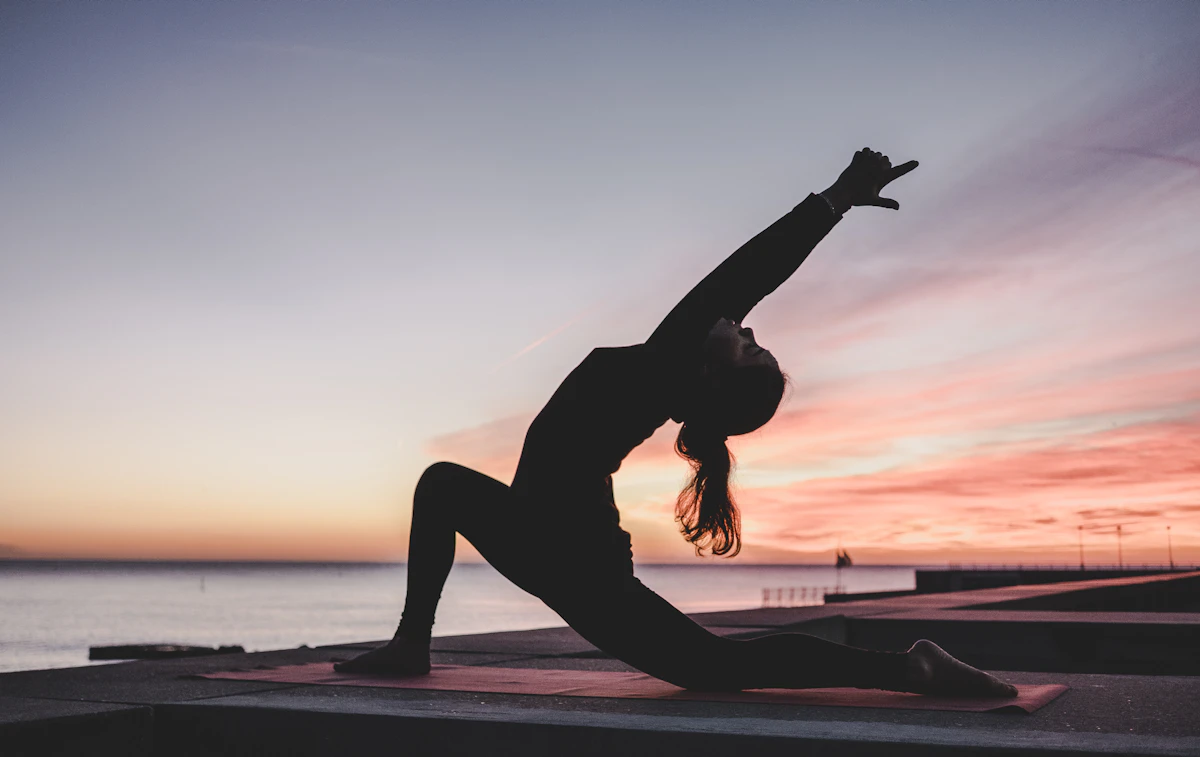
- Yoga Mannerism: Perspective like "Child's Pose" or "Happy Baby" encourage the pelvic story to widen and relax.
- Mindfulness and Meditation: These practices help reduce the central nervous scheme sensibility that often keeps the muscles in a province of high tension.
- Avoiding Trigger Food: For some, irritants like caffein or acidulous nutrient can aggravate bladder-related pelvic pain, indirectly involve muscle timber.
💡 Note: When attempt relaxation stretches, focus on "dropping" or "bulging" the pelvic storey during an inhale kinda than force or holding it.
Building a Daily Relaxation Routine
Manage a cramp pelvic floor requires eubstance rather than strength. It is not about "work out" these muscles, but sooner "re-educating" them to release. Starting by dedicating ten minutes each day to stillness. Lie down in a comfortable perspective with your knees bent. Lay your manpower on your lower belly and focus on find your belly uprise as you inhale slowly. As you exhale, focus on the sensation of your pelvic floor musculus "let go," similar to the spirit of releasing a deep breather from your entire body.
Eubstance is key to success. Because the pelvic storey is tied to our subconscious tension response, you may chance that the muscles tighten again during multiplication of high pressure. By sustain a routine of relaxation, you can build a pilot against these flare-ups and increase your tolerance to accent over clip. If progress feels retard, recollect that these shape of tensity may have been construct for years; override them takes solitaire and a soft approaching.
Address a cramp pelvic storey is a journey that involves both physical interposition and a mentality transformation toward relaxation. By recognizing the connection between your nervous system and your pelvic health, implementing consistent stretch and ventilation practices, and try guidance from certified medical professionals, you can effectively care and ofttimes resolve your symptoms. Remember that you do not have to inhabit in pain, and by prioritizing the release of stress in your pelvic floor, you are occupy a important step toward rejuvenate your overall well-being and revert to a life free from the constraint of chronic muscle discomfort.
Related Damage:
- spasms in pelvic area female
- pelvic story muscle spasms charwoman
- pelvic story muscle spasm symptoms
- pelvic floor spasm female
- pelvic level spasms male
- jerk in pelvic region female