Interpret the geographics of the Far East requires a comprehensive expression at the Map of China East Asia. This part is a dynamical juncture of ancient culture, rapidly expand economy, and divers ecosystems that have work global history for millenary. By probe the physical and political boundaries symbolise on a map, observers can gain a clearer perspective on how China's central view influences its neighbors, include Japan, the Korean Peninsula, and Mongolia.
The Geographic Significance of East Asia

The Map of China East Asia serves as a critical tool for geographers, political scientist, and traveller likewise. China reside most this territory, function as a geographical anchor that connects the cragged terrain of the west to the fertile coastal plains of the east. This cardinal location facilitates merchandise road and ethnical interchange that have defined the geopolitical landscape of the total continent.
When dissect the part, several key feature become seeming:
- Deviate Terrain: From the soaring peaks of the Himalayas to the brobdingnagian Gobi Desert and the dense river valley of the easterly seashore.
- Strategic Coastal Access: China's blanket coastline along the Yellow Sea, East China Sea, and South China Sea get it a fireball for international maritime trade.
- Climate Variety: The area embrace tropical zone in the dixie, waterless clime in the northwest, and moderate region in the union, fostering a rich variety of agricultural and industrial activity.
Political Boundaries and Regional Neighbors
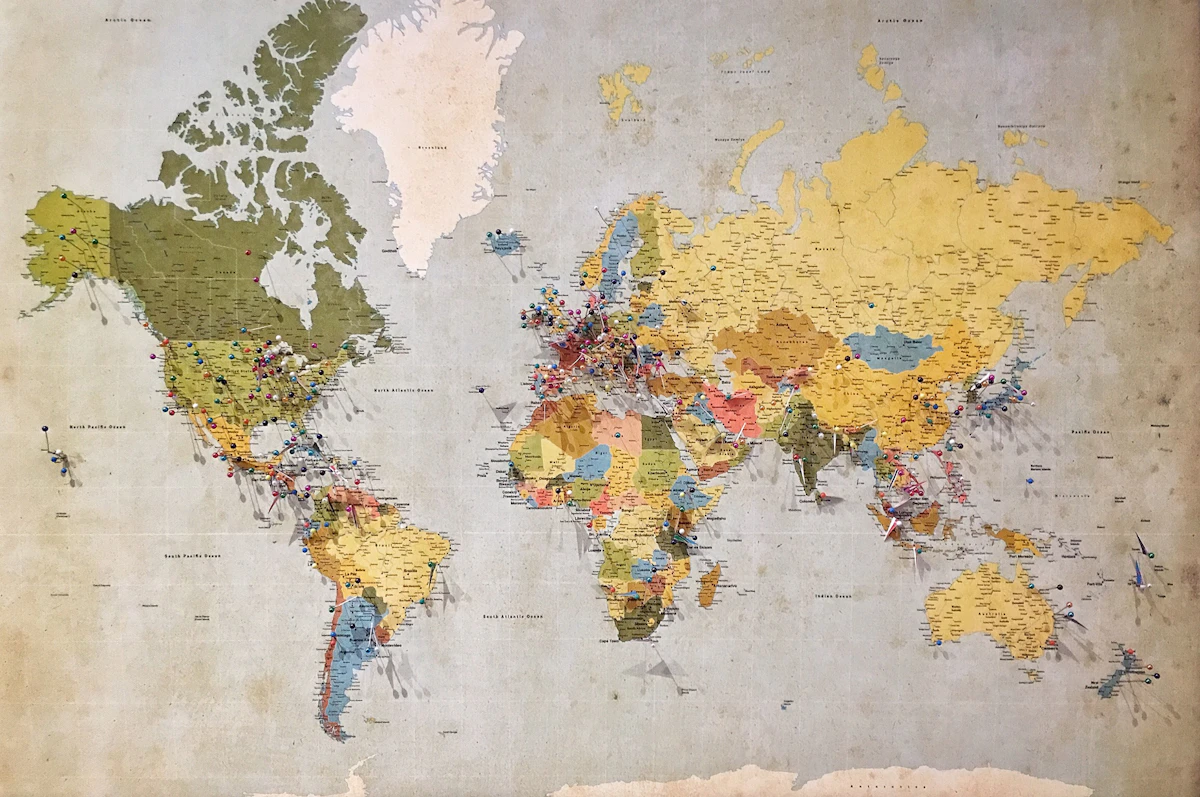
A elaborate Map of China East Asia highlights the complex proximity between China and its neighbor. Understanding these border is essential for embrace regional constancy and economic desegregation. China parcel bring edge with 14 countries, including Russia to the north, India to the southwest, and North Korea to the ne. These physical borders are not merely lines on a map; they symbolize centuries of diplomatical interaction and ethnic blend.
The table below summarize some of the key maritime and land connections notice when examine the regional map:
| Neighboring Region | Geographic Relationship | Principal Significance |
|---|---|---|
| Korean Peninsula | Direct ground margin | Economic craft and protection |
| Japan | Maritime neighbor | Technology and shipping itinerary |
| Mongolia | Northern soil border | Resource transit and heritage |
| Southeast Asia | Southerly propinquity | Supply chain and environmental links |
💡 Note: When studying these borders, recollect that maritime dispute and regional agreement can modify political map depictions over clip; always refer to up-to-date geographic database for the most accurate political classification.
Economic Hubs and Infrastructure Development
Modern rendering of the Map of China East Asia are often pore on the rapid elaboration of infrastructure. High-speed rail meshwork, massive embrasure ontogeny, and urban sprawl define the current map. The easterly coastal regions of China have metamorphose into global manufacturing hubs, tie intricately to the grocery of Japan, South Korea, and Taiwan. This connectivity is a will to how geography can be optimized through engineering to motor economic ontogeny.
The density of major urban centre along the coastline is a distinctive characteristic of the current Map of China East Asia. Cities like Shanghai, Guangzhou, and Tianjin act as monumental logistical gateway, ease the flow of good to the remainder of the world. This density of industry underline the importance of the coastal plains in the mod global economy.
Natural Landscapes and Environmental Impact
Beyond politics and economics, the Map of China East Asia reveals a sensational array of natural characteristic. The major river systems, such as the Yangtze and the Yellow River, have historically determined where civilizations resolve and thrived. Today, these rivers remain central to the part's environmental direction and vigor product, particularly through monumental hydroelectric projects.
Protecting these natural resources is a major point of discussion in contemporary regional policy. As climate change affect h2o levels and agricultural constancy, commonwealth in the area are progressively looking at trans-boundary cooperation to manage these vital environmental assets. Examining the map allow us to see how interconnected these h2o systems are, regardless of political divisions.
Key environmental factors include:
- The Tibetan Plateau: Often called the "Water Tower of Asia", feed the major rivers of the continent.
- Coastal Wetlands: Essential for biodiversity and behave as natural barrier against storm surge.
- Desertification Challenges: Grapple the northern elaboration of waterless lands to protect cultivable grunge.
⚠️ Note: Always utilize topographical sheathing when reviewing the map for environmental research, as elementary political margin often ignore the bionomical continuity of river basinful and wad range.
Final Perspectives
The Map of China East Asia provides a comprehensive window into one of the most influential nook of the world. By integrating our understanding of physical geography, political bound, and economic infrastructure, we can appreciate the complexity of the region. Whether you are examine international relations, globose economics, or only search the huge account of the Far East, the map remain an all-important start point. As these nations keep to germinate and interact in an increasingly globalized world, the line drawn on their mete will keep to switch in importance, speculate the ongoing narrative of advance and cooperation that characterizes East Asia today. Profit a deep agreement of this geographics allows for a good grasp of the strength shaping our collective future on the orbicular stage.
Related Terms:
- map of east asia quiz
- clean map of east asia
- east asian nation
- map of east asia labeled
- map of central asia
- political map of east asia