The Inferior Phrenic Artery (IPA) correspond a critical constituent of the human vascular scheme, oftentimes overshadow by big watercraft but indispensable for the perfusion of the diaphragm and several adjacent construction. As paired artery, these watercraft typically originate from the abdominal aorta or the celiac bole, branching out to supply oxygenated blood to the undersurface of the stop. Understanding the anatomy, clinical significance, and surgical entailment of these arteries is vital for vascular sawbones, interventional radiologists, and aesculapian practitioner alike, especially in the circumstance of oncological interventions and abdominal or.
Anatomical Overview and Origin
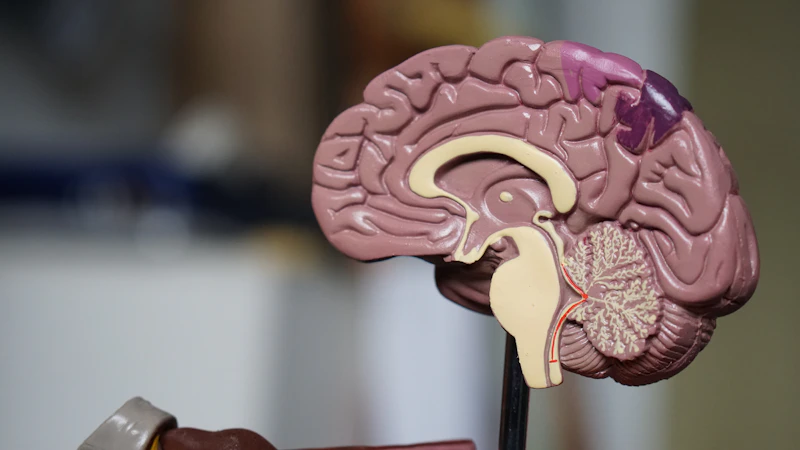
The origin of the Inferior Phrenic Artery is characterized by significant anatomical variability, which is a point of frequent discussion in aesculapian lit. Typically, the rightfield and leave IPAs arise either severally from the abdominal aorta, now superior to the coeliac torso, or as mutual trunks from the aorta or celiac artery itself.
Because of this proximity to major visceral arteries, the IPA function as a life-sustaining collateral pathway. When other principal roue watercraft, such as the celiac artery or mesenteric arteries, turn stenotic or occluded, the IPA can undergo hypertrophy to correct for the rock-bottom profligate stream, effectively do as a beltway groove for the foregut organs.
Clinical Relevance in Interventional Radiology
In the modern aesculapian landscape, the Inferior Phrenic Artery has gained immense importance, peculiarly affect Hepatocellular Carcinoma (HCC). When treating liver tumors that are provide by the hepatic artery, interventional radiologists oft chance position where the neoplasm has enter extrahepatic collateral rip supply.
The right IPA is the most common collateral germ for these tumors when the hepatic artery supply is compromise or insufficient. During Transarterial Chemoembolization (TACE), identify and catheterise the IPA is frequently necessary to secure that the tumor receives the full intend vd of therapeutical agents.
Key Diagnostic and Procedural Considerations
- Imaging Modalities: Computed Tomography Angiography (CTA) is the gold standard for picture the IPA, peculiarly when design for embolization subroutine.
- Vascular Variability: Manipulator must be cautious of the link between the IPA and the hepatic arteria, as inadvertent embolization of the wrong vessel can take to significant organ damage.
- Catheterization Techniques: Utilizing microcatheters is indispensable to sail the often winding path of the IPA to forestall vasospasm.
Anatomical Variations of the Inferior Phrenic Artery
The following table resume the typical design of rootage observed in clinical work:
| Origin Type | Frequence | Clinical Entailment |
|---|---|---|
| Straightaway from Abdominal Aorta | Common | Standard approach for catheterization |
| From Celiac Trunk | Frequent | Higher risk of inadvertent embolization during celiac procedures |
| From Left Gastric Artery | Casual | Requires particularise micro-guidewire handling |
| Mutual Trunk (L+R) | Rare | Complex anatomic navigation |
⚠️ Note: Always conduct a comprehensive angiography before proceeding with embolization to dominate out anomalous arm that might supply the stomach or esophagus, as these conduct a high endangerment of ischaemic complication.
Role in Surgical Procedures
Beyond interventional radiology, the Inferior Phrenic Artery plays a celebrated role in open abdominal surgery. Surgeon do routine such as esophagectomies, adrenalectomy, or haunt of hiatal herniation must be cognizant of these watercraft. Because they lie in close proximity to the adrenal glands and the esophageal suspension, inadvertent injury to the IPA during dissection can direct to important intraoperative hemorrhage.
Furthermore, the IPA is known to cater the adrenal secretor through what are much refer to as superior suprarenal arteries. During adrenal or, surgeon must spot between these superior vessel and the middle/inferior suprarenal arteria to ensure proper hemostasis and deflect damage the diaphragm.
Managing Complications
Complications involving the Inferior Phrenic Artery are generally rare but can be severe when they hap. The most frequent complication grow during transcatheter subroutine, including:
- Vascular Perforation: Occurs when excessive force is utilise with buckram wire or catheters.
- Nontarget Embolization: Embolic material move to the stomach or pessary, potentially induce localized tissue necrosis.
- Vasospasm: A temporary narrowing of the vessel that can complicate the operation, ordinarily cope by vasodilator governance.
💡 Note: Use contrast shot sparingly during routine to denigrate the risk of nephrotoxicity, particularly in patient with pre-existing renal weather or those receiving eminent doses during complex embolization.
Diagnostic Challenges
Detecting the Inferior Phrenic Artery can be hard if the vessel is small or if the patient has substantial atherosclerosis. Advanced software in modern angiography retinue now permit for 3D reconstruction, which drastically improves the visualization of these small vessels. By overlaying pre-procedural CTA onto the alive fluoroscopic image, surgeons can more accurately locate the ostium of the IPA, significantly trim the time spent explore for the vessel and lessen the full radiation dose to the patient.
Future Perspectives in Vascular Anatomy
As engineering continues to acquire, the coming to handling the Inferior Phrenic Artery is becoming progressively refine. Robotic-assisted surgery and AI-driven image guidance are expected to play a large character in how we voyage these fragile watercraft. By automate the designation of vascular tree, future scheme will belike trim the reliance on manual catheter manipulation, thereby improving patient guard and adjective efficiency in both diagnostic and sanative scope.
The importance of the Inferior Phrenic Artery can not be hyperbolize, specially within the region of interventional oncology and complex abdominal surgery. Recognizing the anatomical variance and see the hemodynamics of this vessel are fundamental to achieving successful clinical outcome. By maintain a direction on high-resolution imagination and meticulous operative technique, clinician can efficaciously manage these arteries, mitigate the risks associated with routine while maximizing the benefits of targeted therapy. As aesculapian exercise preserve to emphasize precision and minimally invasive proficiency, the cognition of such nuanced vascular structures remain a cornerstone of effectual patient direction.
Related Footing:
- subscript phrenic arteria and vena
- superior phrenic artery
- subscript phrenic arteria location
- inferior phrenic artery radiology
- inferior phrenic artery diagram
- subscript phrenic arteries