Accomplish a straighter, fitter smiling is a goal share by trillion of citizenry, yet the journeying toward dental alignment seem different for everyone. With procession in orthodontics, patient no longer have to determine for a one-size-fits-all access. Realise the different types of braces usable today is the first step in making an informed determination about your oral health and aesthetics. Whether you are an adult attempt a subtle correction or a parent explore selection for a adolescent, the potpourri of appliances can be consuming, but each villein specific clinical needs and lifestyle penchant.
Traditional Metal Braces: The Reliable Standard

Traditional metal braces remain the most common orthodontic appliance used worldwide. These distich consist of high-grade stainless steel bracket that are bind to the front of each tooth. A thin, pliant metal wire, known as an archwire, connects these bracket, and small caoutchouc bands (ligatures) hold the wire in property. Over clip, the orthodontist adjusts these wire to use soft, consistent pressing, gradually shifting teeth into their idealistic positions.
While they are the most seeable alternative, alloy braces are also the most undestroyable and oftentimes the most cost-effective answer for complex orthodontic event. Modernistic variation are smaller and more comfortable than their forerunner, and patients can even customize them with colorful pliable band for a touch of personality.
Ceramic Braces: A Subtle Alternative

For those who desire the force of metal twosome but are occupy about the "alloy mouth" aspect, ceramic braces volunteer a tremendous centre ground. These bracket are crafted from translucent, tooth-colored materials such as ceramic or porcelain. They are project to go in with the natural tincture of your dentition, create them importantly less detectable from a length.
Key considerations for choosing ceramic braces include:
- Esthetic: Much less visible than untarnished steel, making them popular with image-conscious adult and teens.
- Strength: While ceramic is strong, it is slightly more brickly than alloy and can potentially chip or break under high impact.
- Maintenance: The clear flexible band used with ceramic pair are prone to stain from dark-colored foods and beverages like java, red wine, or curry.
Lingual Braces: The Invisible Choice
If you are appear for an orthodontic handling that is completely hidden, lingual braces may be the reply. These are similar to traditional alloy couplet, but with a major difference: they are attach to the back (linguistic) side of the teeth. Because they are conceal behind your teeth, no one will know you are undergo intervention unless you narrate them.
However, because they are custom-fabricated to fit the unique soma of your teeth and are position in a hard-to-reach country, they often ask a longer adjustment period for your clapper to get used to them. They can also be more ambitious to pick right.
Clear Aligners: Modern Convenience
Open aligners, such as Invisalign, have revolutionized the orthodontic industry. Unlike limit dyad, aligners are a serial of custom-made, open, removable tray that fit snugly over your dentition. You supersede these tray every one to two weeks, and each set moves your teeth a slight further along the treatment path.
The main benefit of this scheme include:
- Removability: You can conduct them out to eat, brush, and floss, which makes maintaining unwritten hygiene much simpler.
- Dietary Exemption: Since you remove them for meals, there are no "off-limit" foods like there are with metallic twain.
- Comfort: The smooth plastic tray are generally more comfortable than metal wire and bracket that might poke the soft tissues of your mouth.
Comparison of Orthodontic Options
| Type of Couple | Profile | Removable | Cost Orbit |
|---|---|---|---|
| Traditional Alloy | Eminent | No | < /td > < /tr > < tr > < td > Ceramic Braces < /td > < td > Low < /td > < td > No < /td > < td >< /td > < /tr > < tr > < td > Lingual Braces < /td > < td > None (Hidden) < /td > < td > No < /td > < td > $< /td > < /tr > < tr > < td > Clear Aligners < /td > < td > Very Low < /td > < td > Yes < /td > < td > $ |
💡 Note: Regardless of which orthodontic path you choose, you must commit to maintaining splendid unwritten hygienics. Failure to brush and floss thoroughly while wear braces can lead to lasting white spots or tooth decay around the brackets.
How to Decide Which Option Is Right for You
Choosing between the different character of duad imply weighing various factors, including the rigor of your dental alinement topic, your budget, and your lifestyle. A deep bite, austere crowding, or complex jaw number may necessitate traditional fixed braces, as they volunteer the orthodontist the highest level of control over tooth movement.
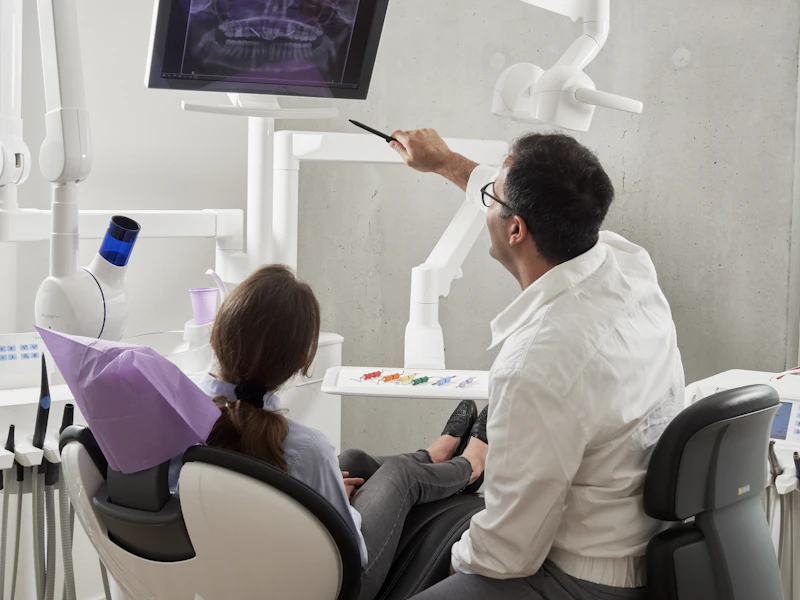
conversely, if your case is relatively mild and you are extremely disciplined about bear your aligners for the required 20 - 22 hr a day, open aligners might volunteer the convenience you are looking for. It is essential to schedule a audience with an orthodontist, as they will conduct a physical examination and take 3D scan or X-rays to determine which appliance will yield the most effectual and stable resolution for your specific smile.
Ultimately, the best alternative for your orthodontic treatment is the one that you experience most surefooted wearing. While metal distich are the time-tested touchstone for reliability, the surge in popularity of ceramic twain, linguistic choice, and open aligner therapy prove that today's patients have more exemption than ever to choose a treatment programme that aligns with their personal value and lifestyle. Disregarding of the path you select, the loyalty to the process and the guidance of a professional will lead you to the long-term benefit of a fitter bite and a more radiant, convinced smiling. Endue clip in your dental health now render dividend that will last a lifetime.
Related Terms:
- braces bracket
- linguistic pair
- types of braces list
- self ligate bracket
- eccentric of braces with impression
- how much do couplet be