When you begin to define differentiation in economics, you are essentially seem at the base of modernistic ball-shaped patronage and industrial efficiency. At its core, economical specialization come when an individual, a house, a area, or an integral country focuses its productive exploit on a limited scope of goods or services. By narrowing the focussing rather than attempt to produce everything severally, economical agent can attain high point of output, amend calibre, and increased efficiency. This rule is not simply a theoretical concept found in textbooks; it is the drive force behind the intricate provision concatenation that ability our day-by-day lives, from the smartphone in your pocket to the nutrient on your table.
The Foundational Concept of Specialization

To amply savvy the importance of this concept, we must look backward to the classical economists, most notably Adam Smith. In his seminal employment, The Wealth of Nations, Smith magnificently used the example of a pin mill to shew how the section of labor growth productivity. When workers focus on specific, repetitive tasks - such as sharpen the wire or attach the psyche of the pin - they get quicker and more genius at their specific jobs. This is the micro-level application of specialism, but the rule scale up to firms and nations with adequate efficacy.
When we define speciality in economics, we must mark between two primary levels of analysis:
- Individual/Firm Specialization: This involves adopt specific skill or engineering to create good or service more expeditiously than contender.
- Regional/National Specialization: This is based on the principle of comparative reward, where a country focuses on producing goods for which it has the last-place opportunity toll compared to other commonwealth.
Why Specialization Drives Economic Growth
Differentiation is seldom a option get in isolation; it is a strategic essential in a competitive market. By committing resources to a specific field, entity can unlock respective productivity-enhancing benefits. These benefit create a virginal cycle that contributes directly to national prosperity and increased standards of living.
Key drivers behind the efficiency of specialization include:
- Increased Skill Acquisition: Know as "erudition by doing," someone become extremely proficient when they focus on a individual task, reducing error and salve time.
- Economies of Scale: When a house narrow in producing a specific ware in large amount, the average cost per unit typically fall.
- Resource Optimization: Nations can leverage their unique natural resources, climate, or technological reward, guarantee that demesne, labor, and capital are used where they supply the highest homecoming.
Comparative Advantage: The Engine of Trade
While out-and-out advantage refers to the power to produce more of a full with the same resources, relative vantage is the true driver of outside trade. To define differentiation in economics effectively, one must notice that even if a land can create everything best than its neighbour, it still welfare from specializing in what it does comparatively best and trading for the rest.
| Characteristic | Description | Economic Impact |
|---|---|---|
| Absolute Reward | Produce more with fewer imagination. | Higher production capacity. |
| Relative Advantage | Low-toned opportunity toll of production. | Reciprocal addition through trade. |
| Division of Labor | Breaking process into small tasks. | Increase efficiency and speed. |
💡 Note: Specialization thrives on the existence of complimentary and open grocery. Without the ability to trade the surplus produced through differentiation for other necessary good, the benefit of this strategy would be gravely define by local demand.
Risks and Limitations of Specialization
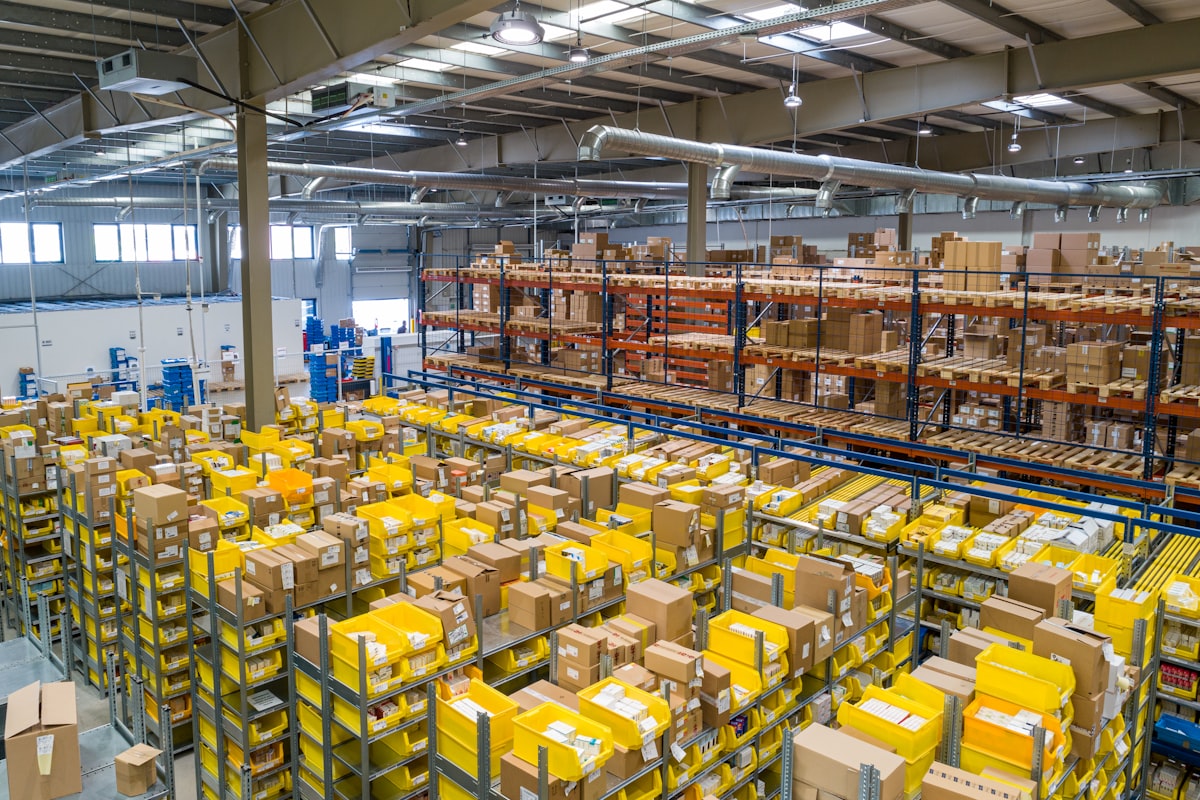
While the economic argument for specialization is strong, it is not without its pit. Relying heavily on a narrow-minded range of exports can expose an economy to external shocks. For instance, if a country specialize entirely in the production of oil, a sudden drop in global energy prices could devastate its national budget. This phenomenon is much referred to as "over-specialization."
See these potential downsides:
- Habituation Hazard: If a commonwealth specialize in a niche product, it may get overly dependant on outside supply irons for basic necessities like food or medicament.
- Structural Unemployment: Rapid shifts in technology can render a specialized hands obsolete, create it difficult for workers to transition into new part if their attainment are too narrowly focused.
- Market Volatility: Economies that bank on a individual commodity are highly susceptible to world-wide price fluctuations, which can lead to economic imbalance.
The Role of Technology and Global Integration
In the 21st century, the way we define speciality in economics has evolved due to digital shift. Technology has allow for a much ok division of labor. Service-based economy now specify in complex tasks like package ontogeny, cerebral place, and eminent -level financial services, rather than just physical manufacturing. Global integration means that components for a single product can be specialized in dozens of different countries before being assembled, representing the ultimate application of global economic efficiency.
💡 Billet: Diversification is often apply as a hedgerow against the risks of differentiation. Governments oftentimes encourage the maturation of new industries to prevent an economy from becoming too vulnerable to single-sector collapse.
Final Thoughts
See how to delineate specialization in economics provides a lens through which we can view the interconnection of our domain. It highlights that the riches of country is not establish on self-sufficiency, but on the capability to contribute specialised expertise to a larger global pool of good and services. By embracing the section of labor and leveraging relative reward, company have grapple to reach unprecedented levels of technological advance and material wealth. Withal, the balance between specialism and diversification remain a critical challenge for policymakers, who must sail the tension between maximise current efficiency and insure long-term resilience against global market displacement. As global economy continue to evolve, the principles established by classical economists remain essential guideposts for voyage the complexity of modern product and international trade.
Related Terms:
- how to bump speciality economics
- definition of specialty in economics
- character of specialization in economics
- model of differentiation in economics
- specialization definition economics examples
- why should economies specify